
The Evolution: From Hindsight to Foresight
Traditional Business Intelligence (BI) is like looking in a rearview mirror. It tells you exactly where you've been: last quarter's losses, yesterday's sales volume, and previous supply chain bottlenecks. While valuable, this reactive stance leaves leaders constantly catching up. Predictive analytics, fueled by AI, turns the windshield into a high-definition navigation system.
Machine Learning: Seeing the Invisible
At the core of this shift are machine learning models. Unlike static reports, these algorithms identify invisible patterns in historical data—correlations too complex for human cognition. By analyzing thousands of variables simultaneously, Saffron Minds helps leaders detect the subtle signals that precede market shifts or customer churn before they manifest as crises.
Practical Applications in Modern Leadership
Best Practices: Garbage In, Garbage Out
The transition to proactive leadership is not purely technical; it is procedural. Before applying predictive algorithms, corporate data must undergo rigorous 'cleaning'. Saffron Minds emphasizes Data Hygiene as step one. Without consistent, clean data streams, even the most advanced AI model will hallucinate trends that don't exist.
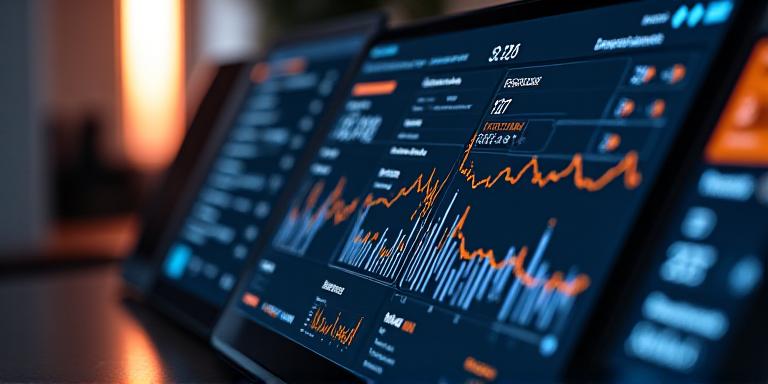
Saffron Minds Dashboard Example
Conclusion: The New Standard of Authority
Shifting the corporate mindset to embrace foresight over hindsight is no longer optional. Proactive leadership means making decisions today based on the reality of tomorrow. By integrating predictive analytics into your dashboard automation, you aren't just managing data—you're mastering time.